Nerve Health Guide: Everyday Habits for Comfortable Hands and Feet
Simple, practical steps you can start today, with or without a supplement.
The best everyday habits for nerve health are regular movement, daily foot checks, supportive footwear, a nutrient-rich diet, limited alcohol, good sleep and routine checkups. These steps support circulation and the tissues around your nerves. Persistent numbness, tingling, burning or weakness should always be checked by a doctor.
Why Does Peripheral Nerve Health Matter?
Your peripheral nerves let you feel a warm cup in your hands, keep your balance on uneven ground and pull your foot back from something sharp. When they're well supported, you barely notice them. That's exactly how it should be.
Daily habits have a real influence on the environment around those nerves: blood flow, tissue health and oxidative stress. The good news is that most of the helpful habits are simple and free.
1. How Does Movement Help Your Nerves?
Movement keeps blood flowing to your hands and feet, and good circulation delivers oxygen and nutrients to nerve tissue. Aim for a brisk 20 to 30 minute walk most days. If walking is hard, try swimming, cycling or chair exercises.
Break up long periods of sitting. Stand, stretch or walk for a few minutes every hour.
2. Why Should You Check Your Feet Every Day?
When sensation in the feet changes, small cuts or blisters can go unnoticed. Take one minute each day to look at the tops, soles and between your toes. Use a mirror or ask for help if needed.
Keep feet clean and dry, and moisturize the skin, but not between the toes.
3. What Kind of Shoes Are Best?
- Shoes with a roomy toe box and good arch support
- Cushioned soles for hard floors
- Seamless, moisture-wicking socks
- Shoes for indoors too, rather than walking barefoot
4. Why Should You Test Water Temperature?
If your feet are less sensitive than they used to be, they may not warn you when bath water is too hot. Test the water with your elbow or a thermometer first. Avoid heating pads and hot water bottles directly on the feet.
5. What Should You Eat for Nerve Health?
A colorful, plant-rich diet supplies antioxidants and other nutrients your nerves rely on. Helpful choices include:
| Food group | Examples | Why it helps |
|---|---|---|
| Leafy greens | Spinach, kale, broccoli | Folate and antioxidants |
| B-vitamin sources | Eggs, fish, poultry, legumes | B vitamins support normal nerve function |
| Colorful produce | Apples, onions, berries | Natural sources of quercetin |
| Healthy fats | Salmon, walnuts, olive oil | Support overall cell health |
| Spices | Turmeric, ginger | Plant compounds with antioxidant activity |
6. Does Alcohol Affect Your Nerves?
Heavy drinking is known to be hard on nerve tissue. If you drink, keep it moderate, or cut back if you've noticed changes in your hands or feet.
7. How Does Sleep Support Nerve Health?
Your body does much of its repair work during deep sleep. Keep a regular bedtime, a cool dark room and screens off for 30 minutes before bed. If restless feet keep you up, gentle calf stretches before bed may help you relax.
8. Which Simple Stretches Can Help?
- Ankle circles: 10 slow circles each direction, each foot.
- Toe spreads: spread toes wide, hold 5 seconds, repeat 10 times.
- Calf stretch: hands on a wall, one leg back, heel down, hold 20 seconds.
- Finger stretches: open your hands wide, then make a soft fist, 10 times.
9. Why Are Regular Checkups Important?
Routine checkups help catch factors that affect nerve health, like blood sugar levels or vitamin deficiencies, early on. Mention any changes in sensation to your doctor, even if they seem minor.
10. Can a Supplement Like Nervecept Help?
A supplement works best as part of a healthy routine, not a replacement for one. Nervecept was designed to fit alongside these habits, providing glucosamine, boswellia, chondroitin, turmeric, quercetin, methionine, MSM and bromelain in one daily capsule to support nerve sensitivity, nerve function and comfort.
Learn more on our What Is Nervecept page.
When Should You See a Doctor?
See a healthcare professional promptly if you have numbness, tingling, burning or weakness that is new, getting worse or doesn't go away; a wound on your foot that isn't healing; or sudden loss of feeling or strength. These symptoms need a proper medical evaluation. The NINDS offers reliable background information.
Frequently Asked Questions
What is the best exercise for nerve health?
Regular walking is one of the simplest and most effective habits because it supports circulation to the hands and feet. Swimming and cycling are good low-impact options.
What foods support nerve health?
Leafy greens, eggs, fish, legumes, colorful fruits and vegetables, healthy fats and spices like turmeric all supply nutrients that support normal nerve function.
How often should I check my feet?
Once a day is ideal, especially if sensation in your feet has changed.
When should I see a doctor about numbness or tingling?
See a doctor if numbness, tingling, burning or weakness is new, worsening or persistent, or if you have a foot wound that isn't healing.
Add Daily Nutritional Support to Your Routine
Healthy habits plus consistent nutrition make a strong team. Start Nervecept today with a full 60-day guarantee.
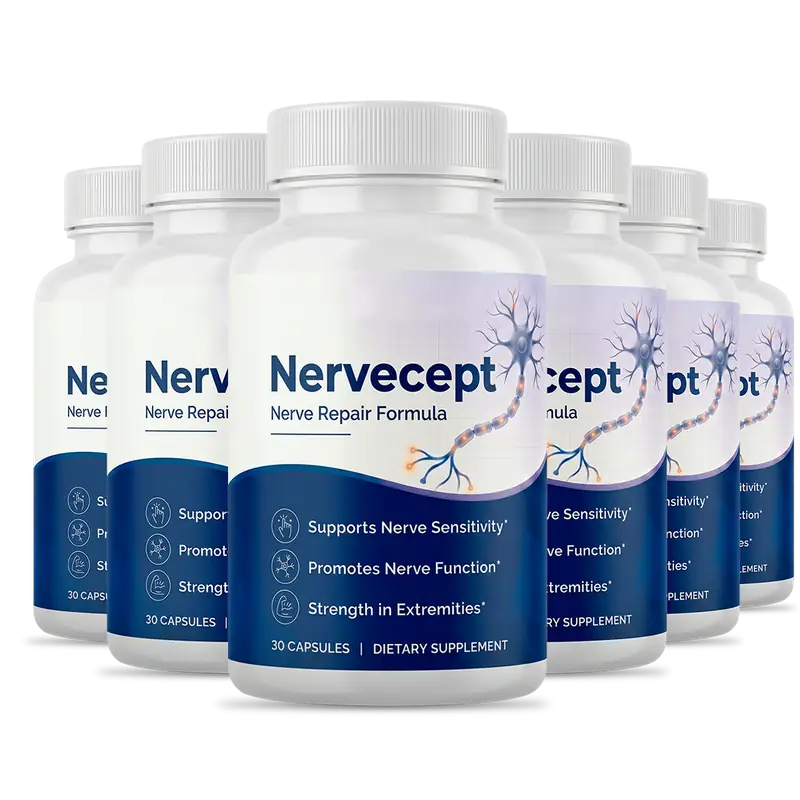
6 Bottles: $1074 $294 • Just $49 per bottle • Free US Shipping